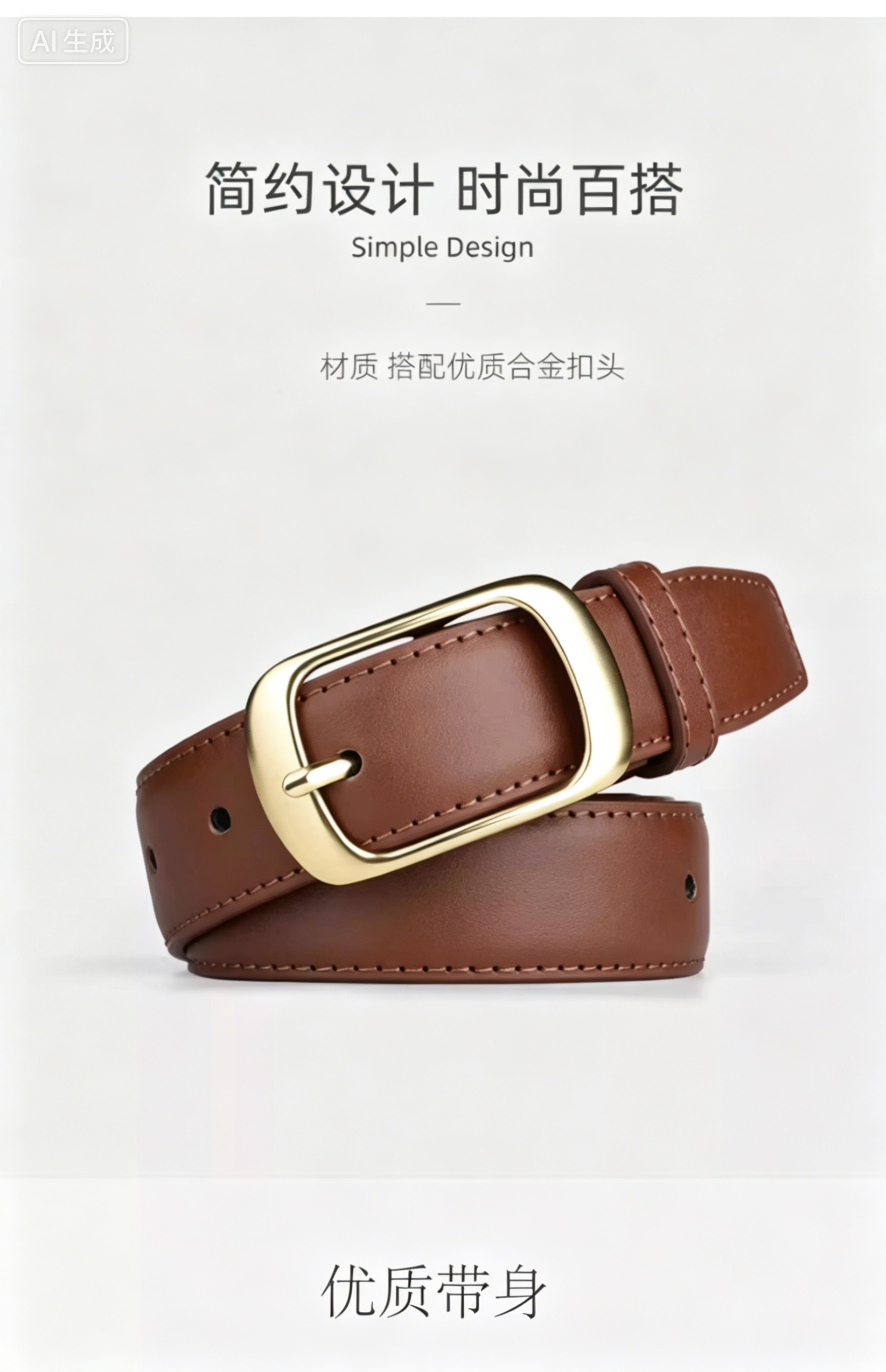
Hermès Belt: A Timeless Symbol of Luxury and Craftsmanship
Brand Heritage
Founded in 1837 by Thierry Hermès in Paris, Hermès began as a master harness workshop catering to European nobility. Over two centuries, the brand has evolved into a global luxury icon, renowned for its uncompromising commitment to artisanal excellence. The Hermès belt, particularly the iconic H-series, epitomizes this legacy, blending functionality with timeless aesthetics.
Material & Craftsmanship
Hermès belts are crafted from the finest materials, including:
- Exotic Leathers: Crocodile, ostrich, and lizard skins, sourced through sustainable practices and certified by CITES (Convention on International Trade in Endangered Species).
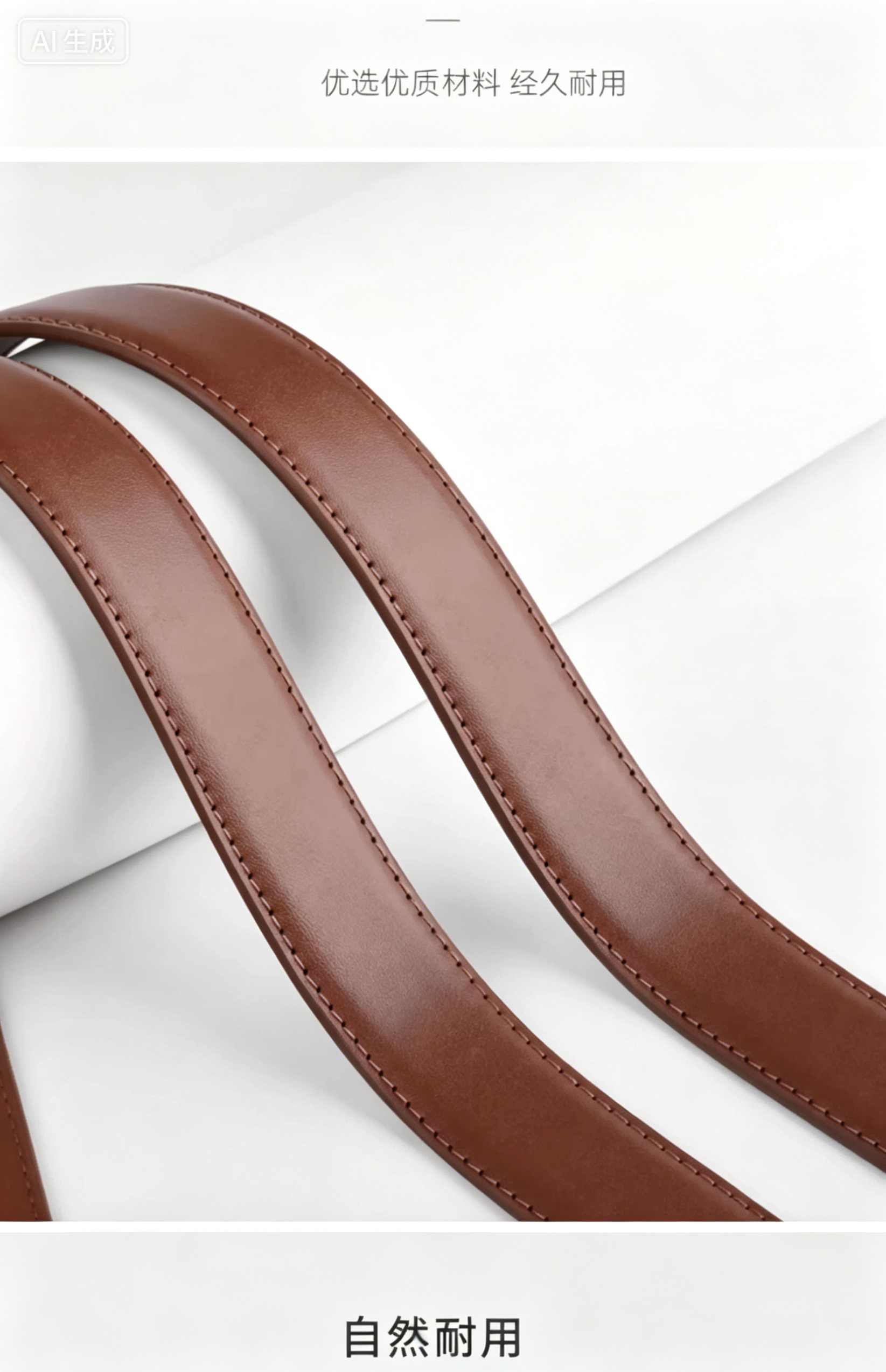
- Premium Calfskin: Smooth, durable, and aged to perfection, often featuring Hermès’ signature Swift or Box leather finishes.
- Double-Sided Design: Many models, such as the Reversible Leather Strap, allow wearers to switch between colors (e.g., black and brown) for versatility.
- Meticulous Handiwork: Each belt is assembled by artisans in Hermès’ French workshops, with edges hand-painted and polished for a seamless finish.
Iconic Design Elements
- H Buckle: The most recognizable motif, derived from Hermès’ saddle-stitching heritage. Variations include the Constance (rectangular) and Mini Constance (24mm width with floral engravings).
- Customizable Options: Buyers can select belt widths (13mm–38mm), leather types, and hardware finishes (palladium, gold, or rose gold).
- Limited Editions: Collaborations with artists or seasonal themes (e.g., the **“Horse’s Blanket”**印花 design) add exclusivity.
Pricing & Market Positioning
Hermès belts are positioned as ultra-luxury accessories, with prices reflecting their craftsmanship and rarity:
Cultural & Investment Value
- Resale Market: Classic H-series belts retain 60%+ of their original value, with rare editions appreciating over time.
- Symbol of Status: Worn by celebrities and business elites, Hermès belts are a discreet yet powerful statement of wealth and taste.
- Heritage Appeal: The brand’s association with equestrian culture and French artistry adds emotional value beyond mere functionality.
Buying Guide & Tips
- Authenticity: Purchase only from Hermès boutiques or authorized retailers. Counterfeit belts often lack precise stitching or use inferior leather.
- Sizing: Measure your waist at the belt loops and add 2–3 inches for the correct length. Hermès offers free alterations in-store.
- Care: Use a soft cloth to clean leather and avoid moisture. Store belts flat or hung by their buckles to prevent warping.
Comment